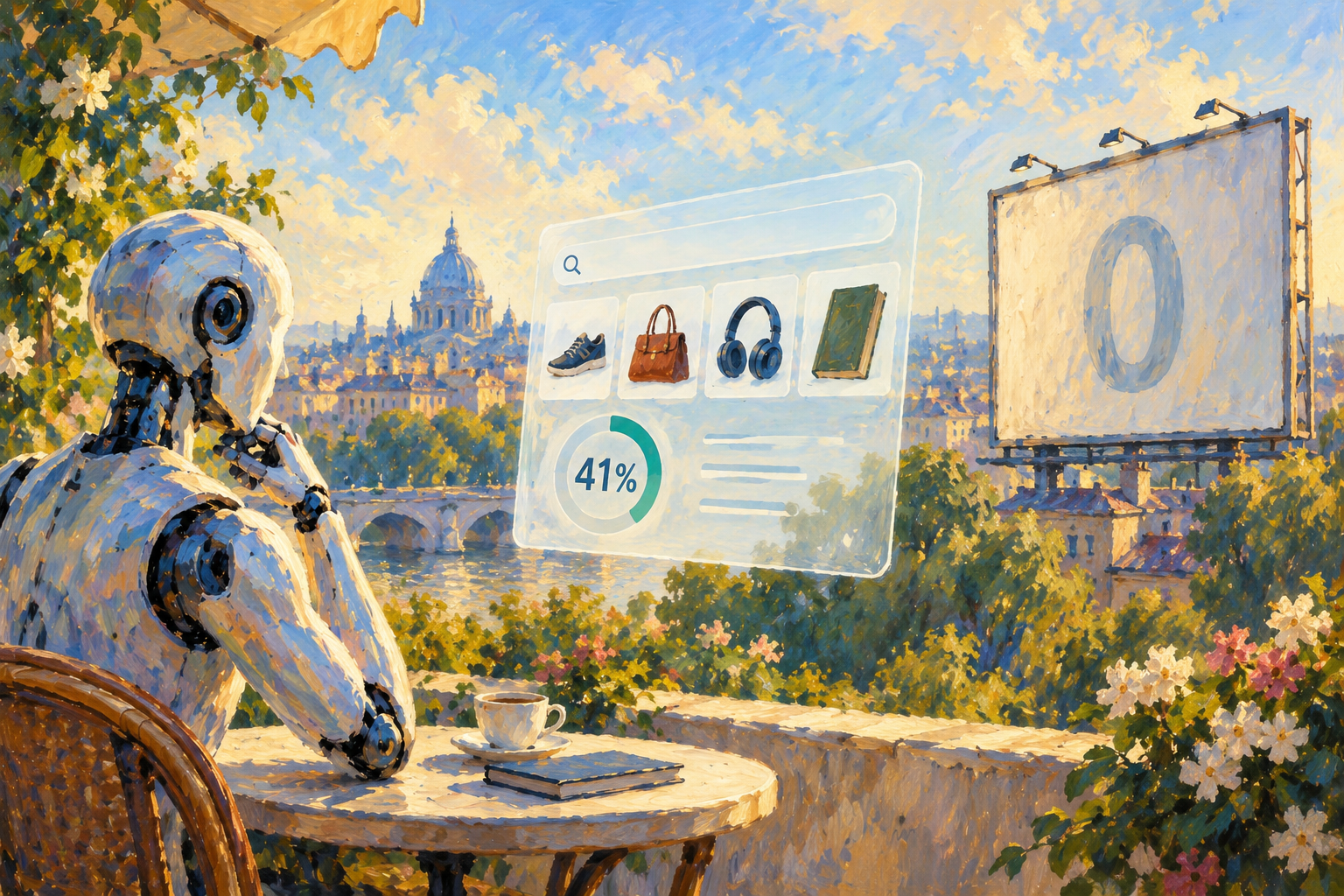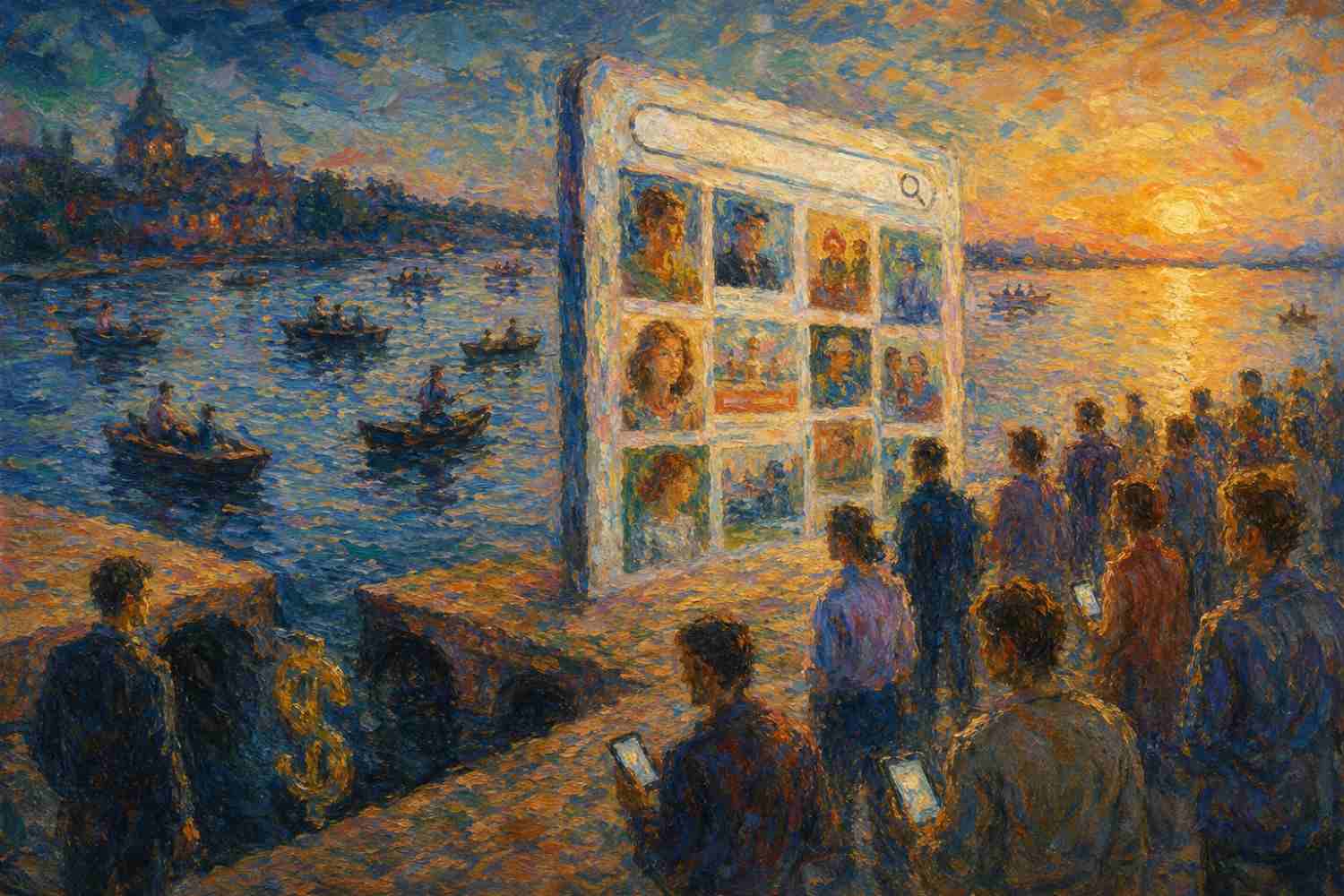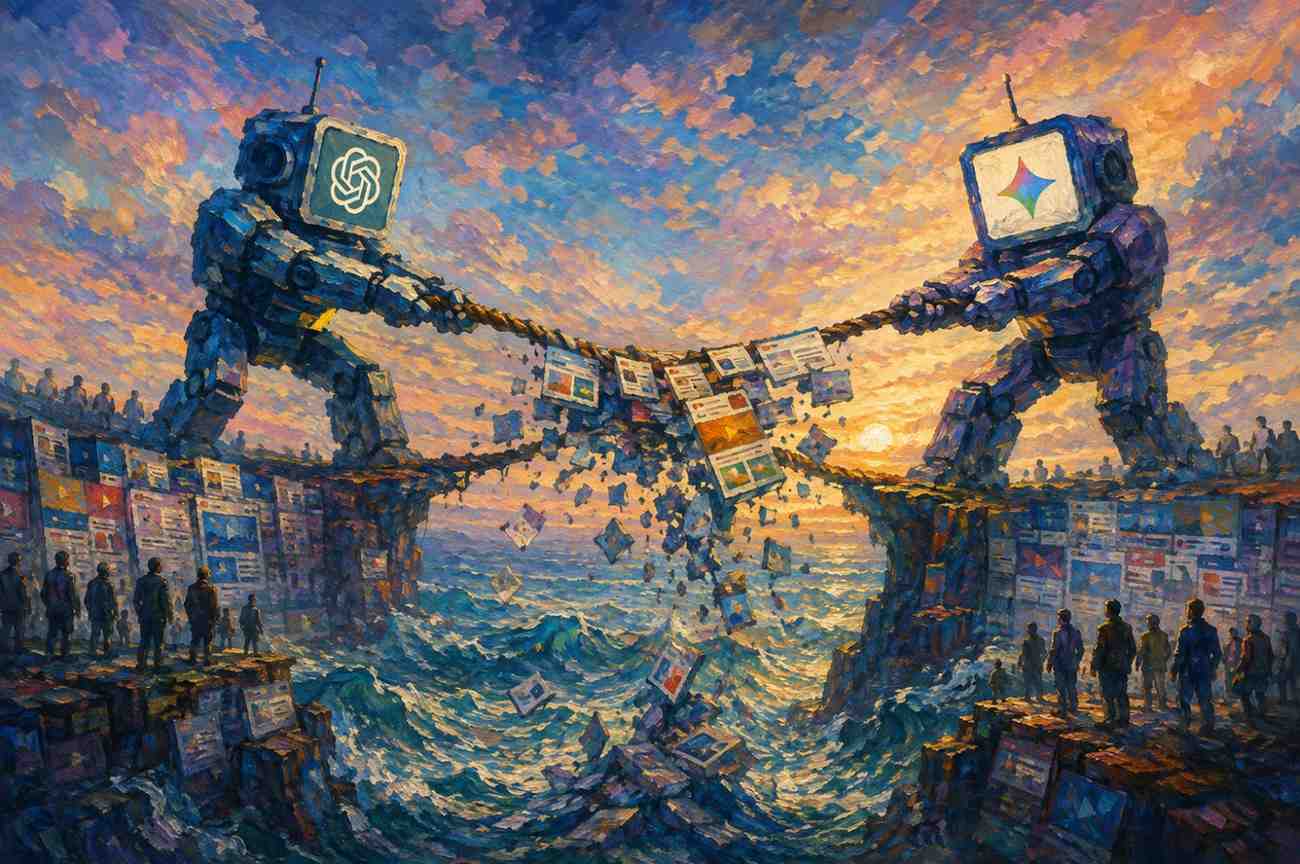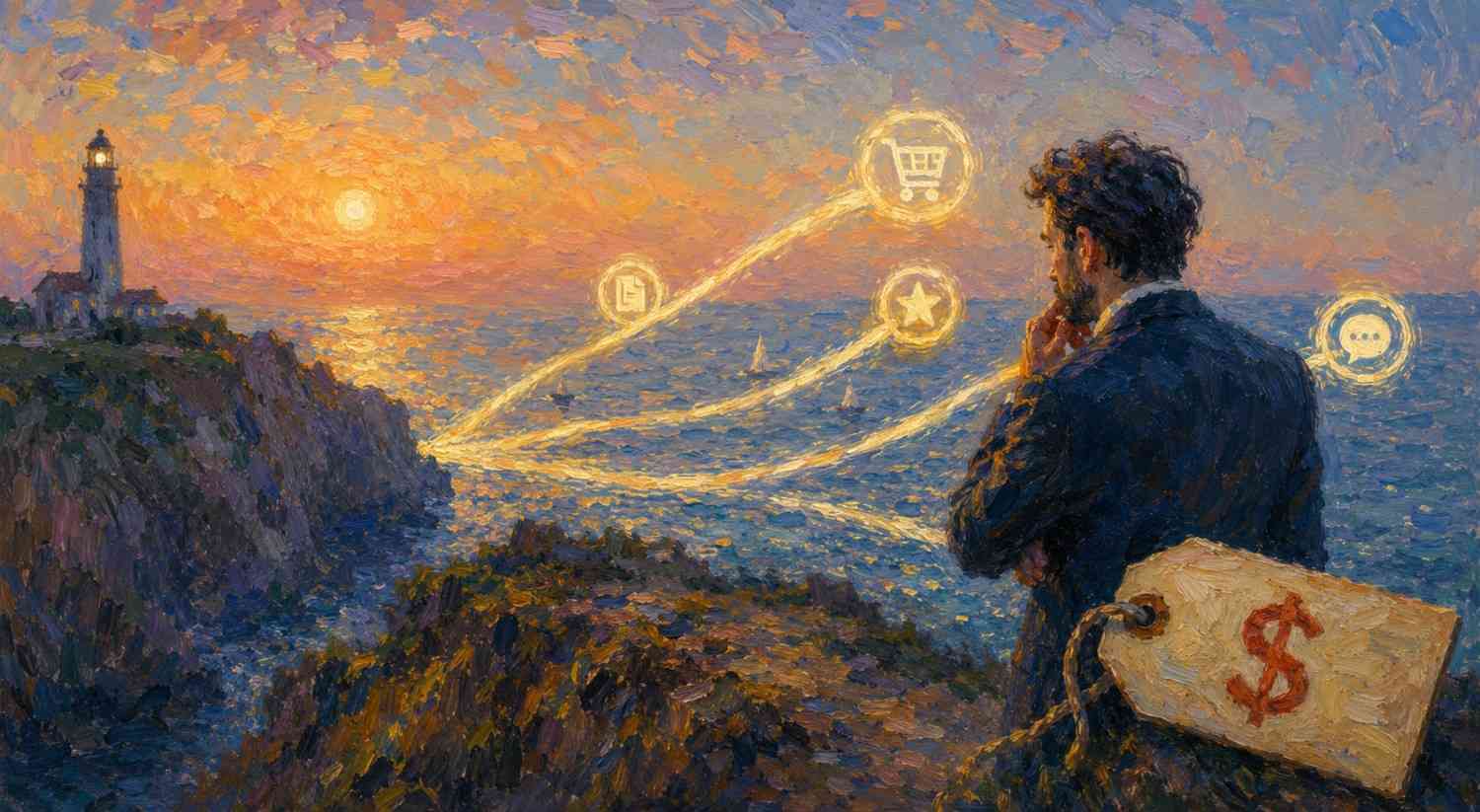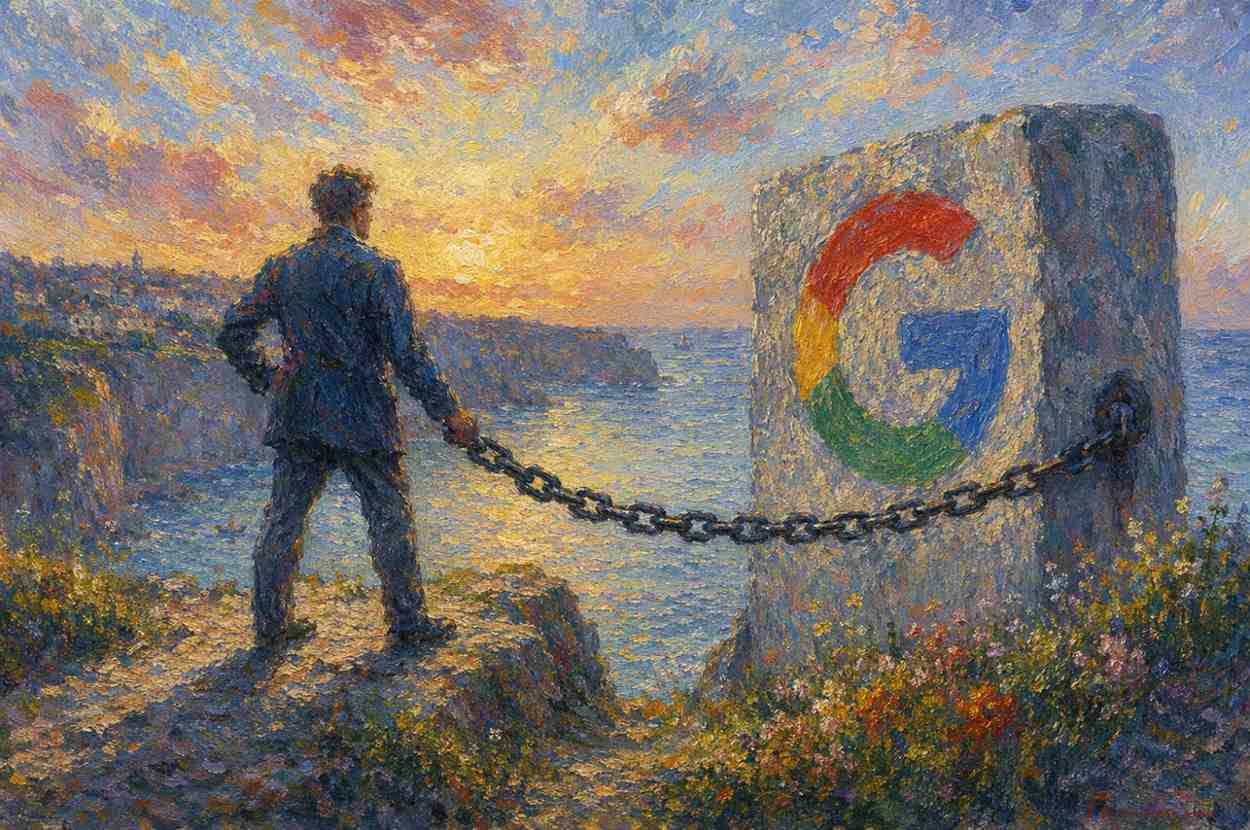
Blocking Google Is Leverage, Not Publisher Monetization
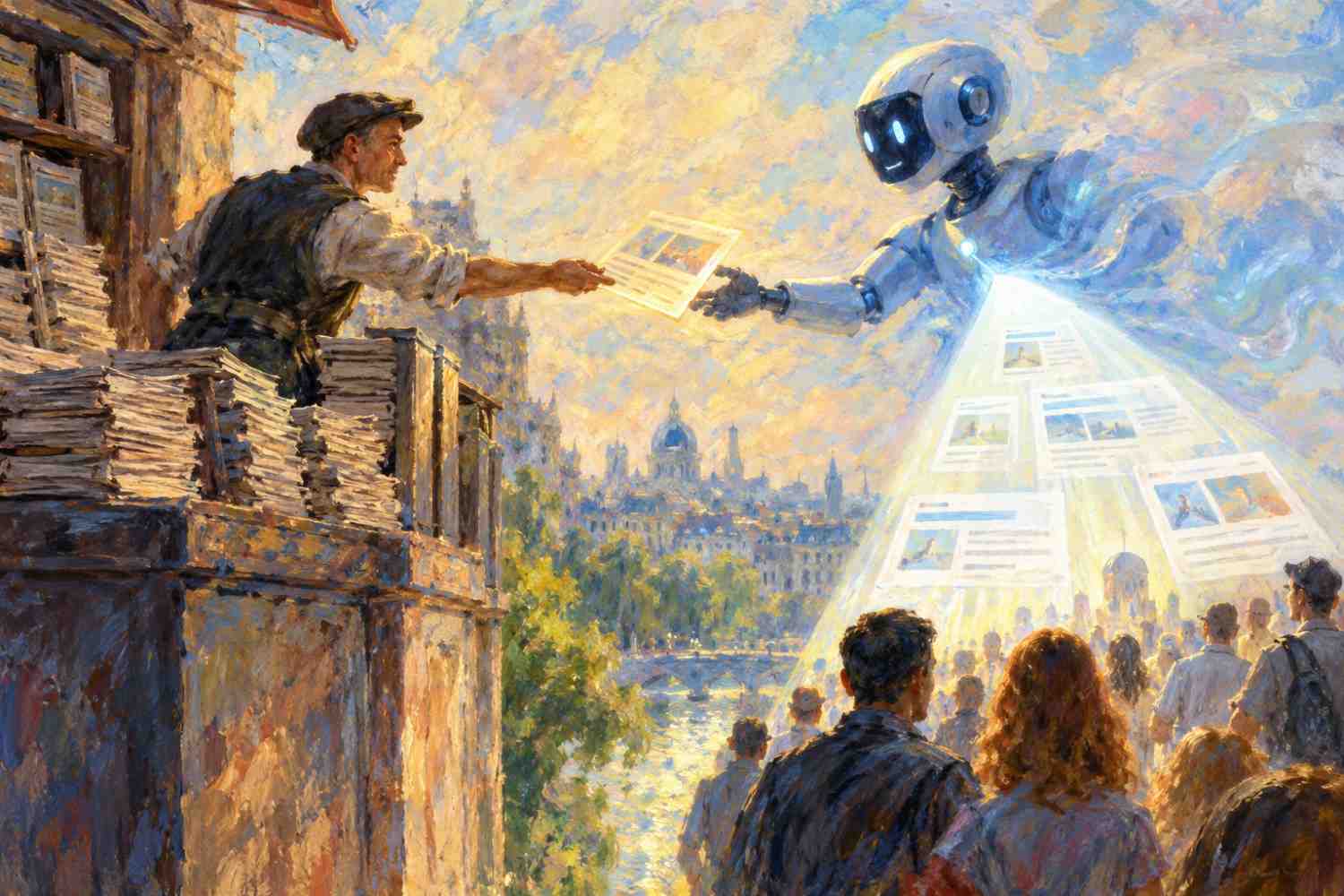
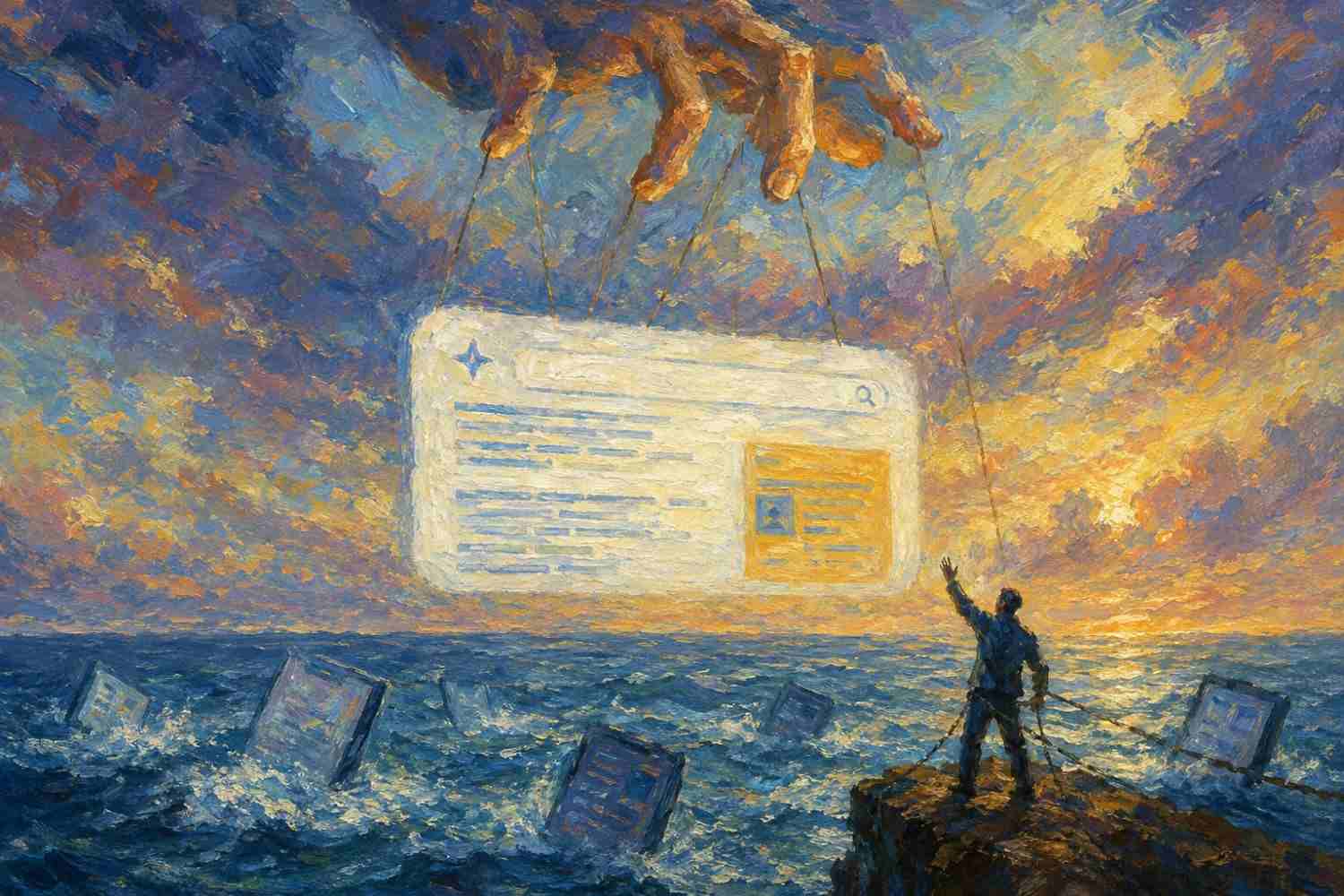
Publishers can finally block Google without vanishing from search. But an off switch is leverage, not revenue. Here is the payment rail the answer economy still needs.
Pioneering research and actionable insights on Generative Engine Advertising, AI search optimization, and brand visibility in the age of conversational AI.
From understanding LLM behavior to optimizing for ChatGPT, Perplexity, and Claude — the Smalk blog is where marketing meets artificial intelligence.

Publishers can finally block Google without vanishing from search. But an off switch is leverage, not revenue. Here is the payment rail the answer economy still needs.

Google déploie les Aperçus IA et le Mode IA en France ce 22 juillet 2026. Deux ans après les États-Unis, voici ce que le marché français peut anticiper, et le nouveau contrat à écrire.

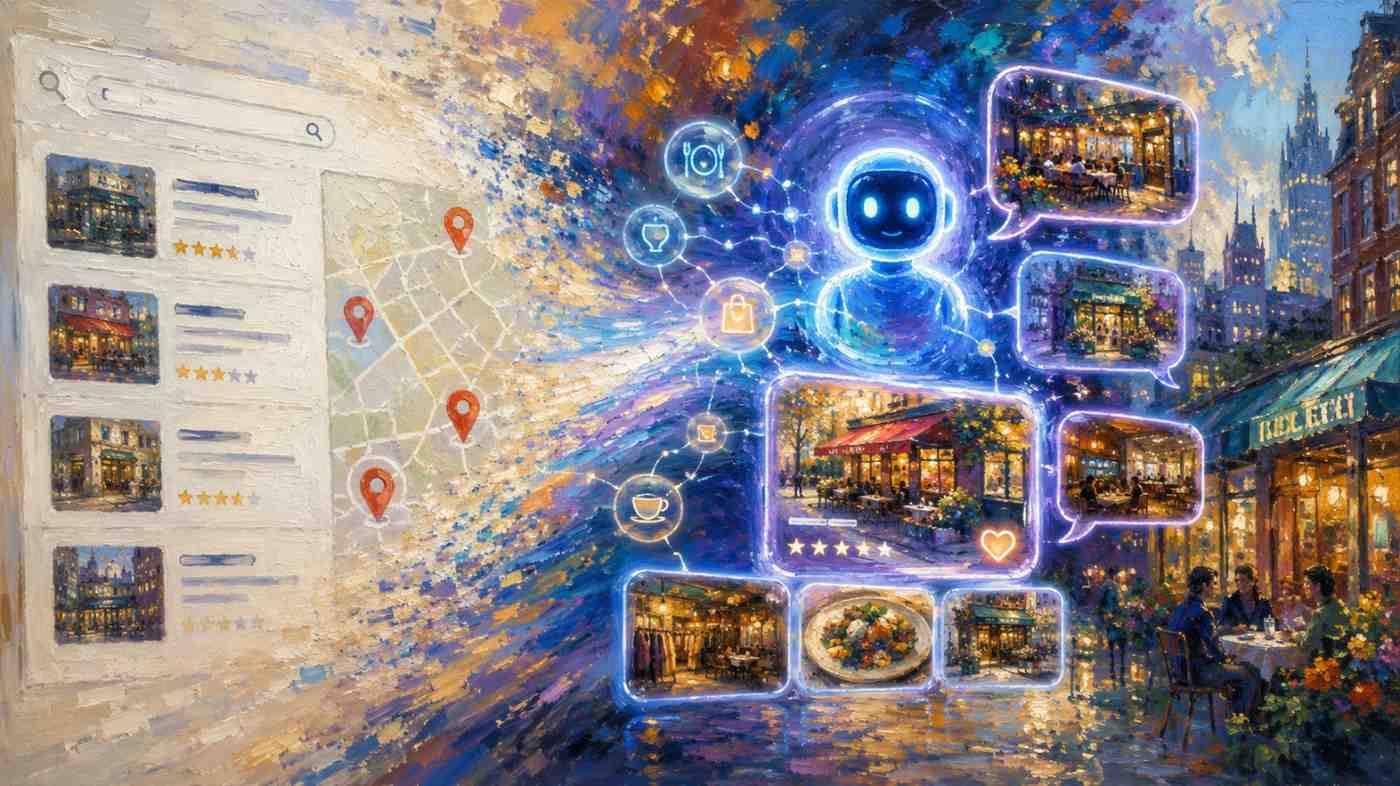
Google taught millions of businesses to get found with a simple listing. AI chatbots are rewriting that playbook — moving discovery from clicks to citations, on both sides of the market.

Ozone data shows publisher ad supply fell up to 40% in Q2 2026 while prices rose. Scarcity pricing is buying time, not a future. Here's the economy forming inside the AI answer.

Publishers can finally count what AI engines cite. Nobody's built the market to pay for it — and OpenAI's own ad math proves the gap is real.
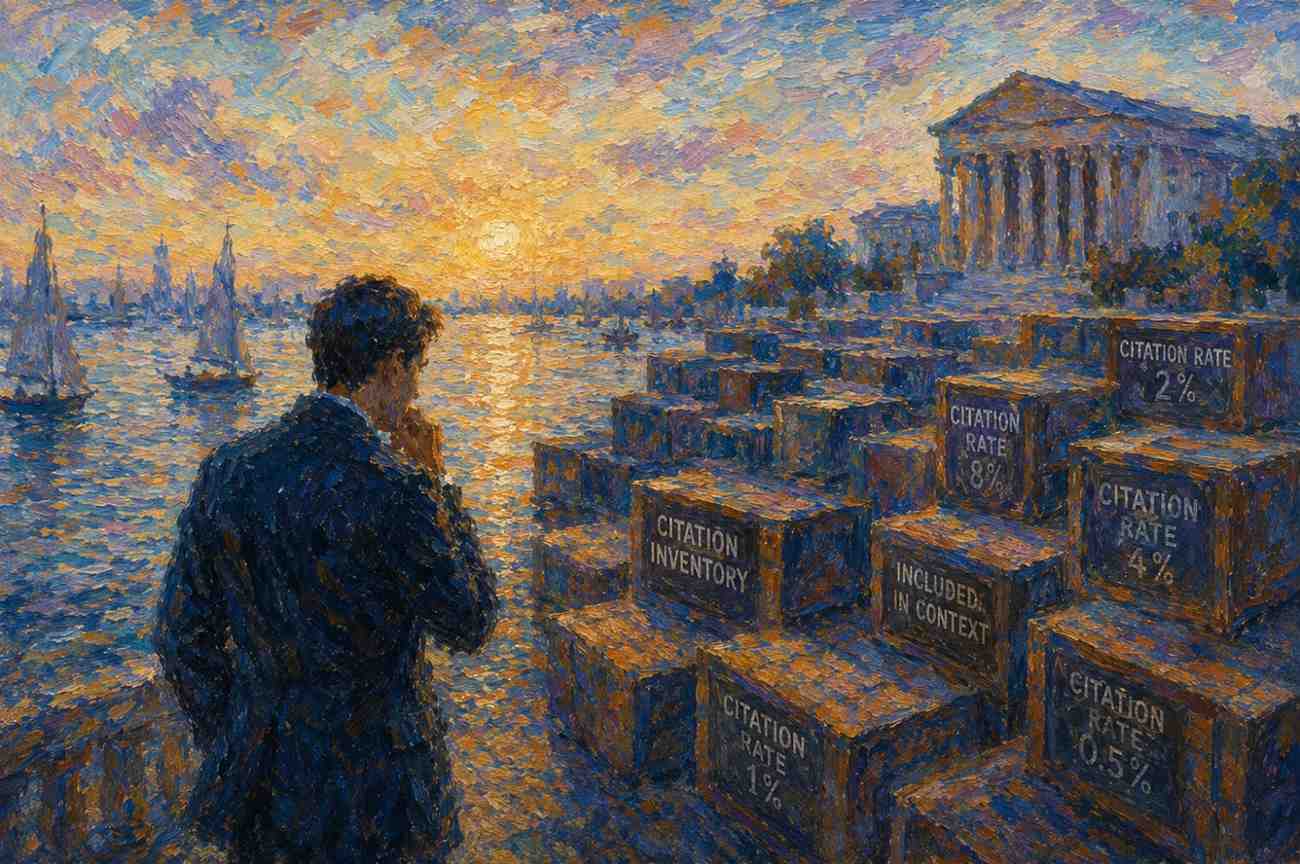
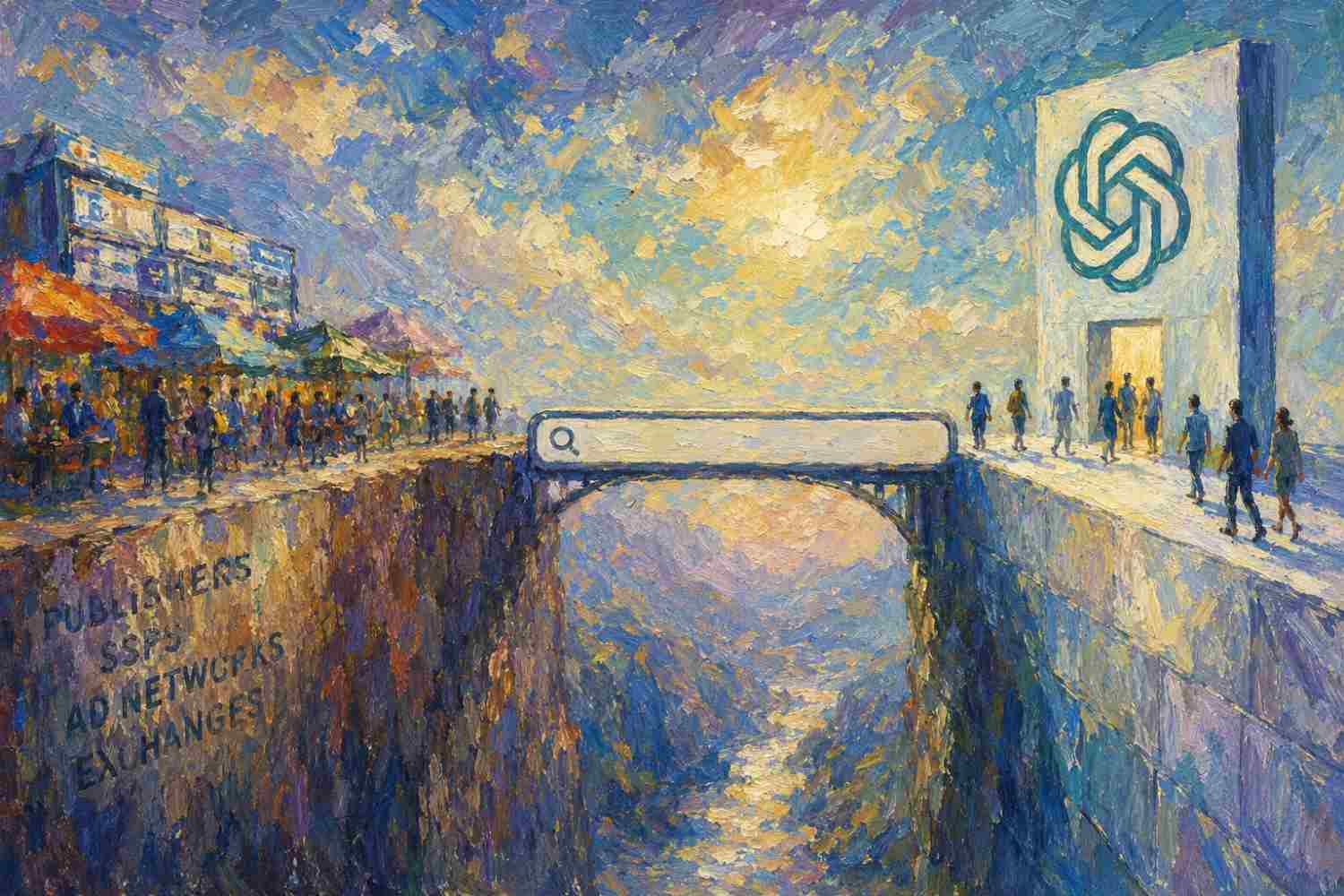
OpenAI's ad pilot hit $100M ARR in six weeks and is expanding into France, Germany and Ireland. Its own exec confirmed publishers get none of it. Here's the gap Smalk AI closes.

AI chatbots build recommendations from other people's content, not your homepage — and almost no one gets paid for supplying the evidence that wins the recommendation.

Fifteen domains control 68% of what AI engines cite. The governance debate is real, but without an ad model that pays publishers for feeding the answer, transparency alone changes nothing.

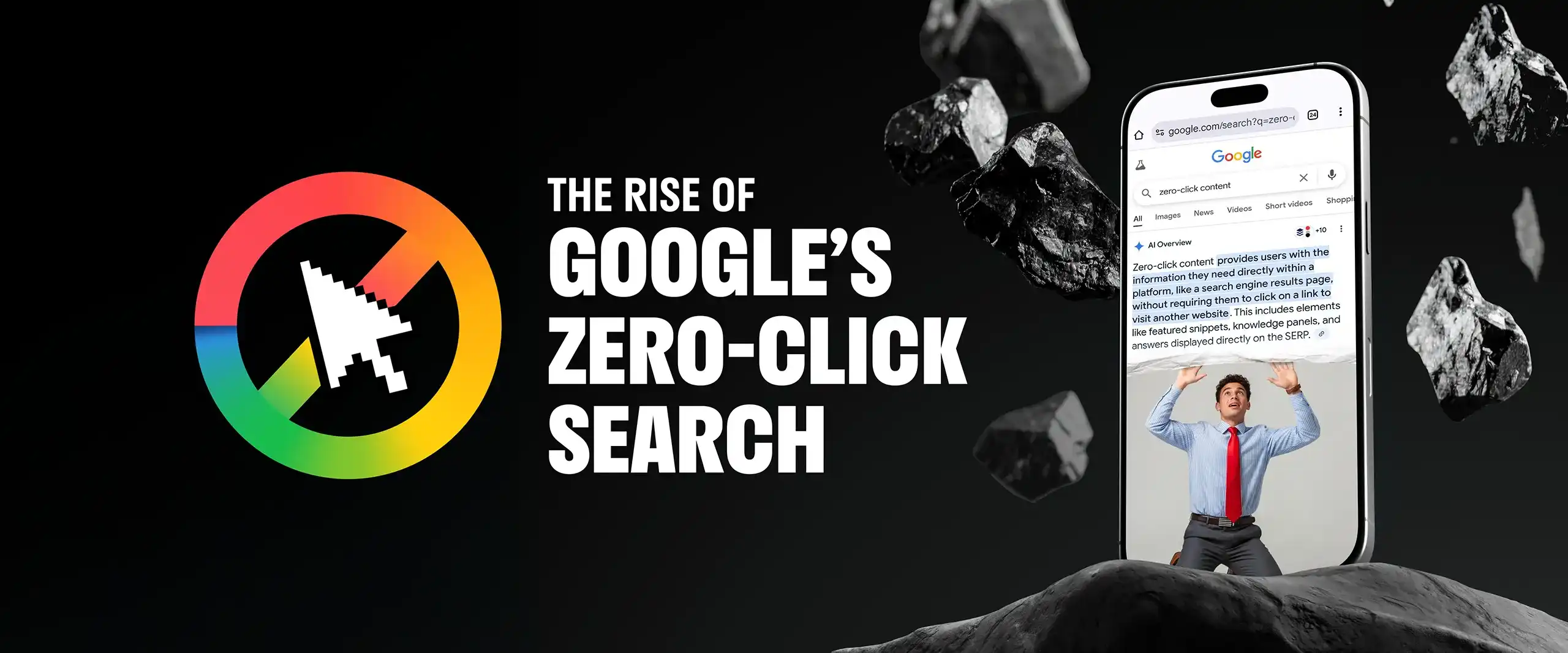
A field experiment confirms AI Overviews cut publisher clicks by 40%. But lost traffic is only half the problem — the quality signals that made content discoverable are disappearing with it.
VideoKristofer Moisan, Founder & CEO de SMALK AI, revient sur le 3e mind Retail Day consacré à la maîtrise de l’accélération de l’IA en 2026. Plus de 100 personnes étaient réunies à l’espace Onepoint à Paris le jeudi 25 juin 2026, pour assister à cette matinée de débats... Un événement du groupe mind.

eMarketer says 80%+ of US AI advertising in 2026 runs beside AI answers, not inside them. The money found the new surface — but not the native format, or the rail that pays publishers.
VideoSmalk AI part d’une constat : à l’ère de ChatGPT, Perplexity ou AI Overviews, ce ne sont plus seulement les internautes qui visitent les pages… mais des agents IA délégués par les humains. Et ces visites ont une valeur économique à monétiser. Explications avec Kristofer Moisan, cofondateur de la société.

Twenty years of Cannes argued about the ad. This year argued about whether brands and publishers even appear inside the AI answer. My highlights, decoded.

ChatGPT is monetizing demand keyword search was never built to reach. But the new ad economy runs on publisher content — and not a cent flows back to the source.

Publishers are now modeling life with no Google traffic at all. The smart ones aren't waiting to find out if Google Zero is real — they're re-architecting for a web where citation, not the click, is the unit of value.

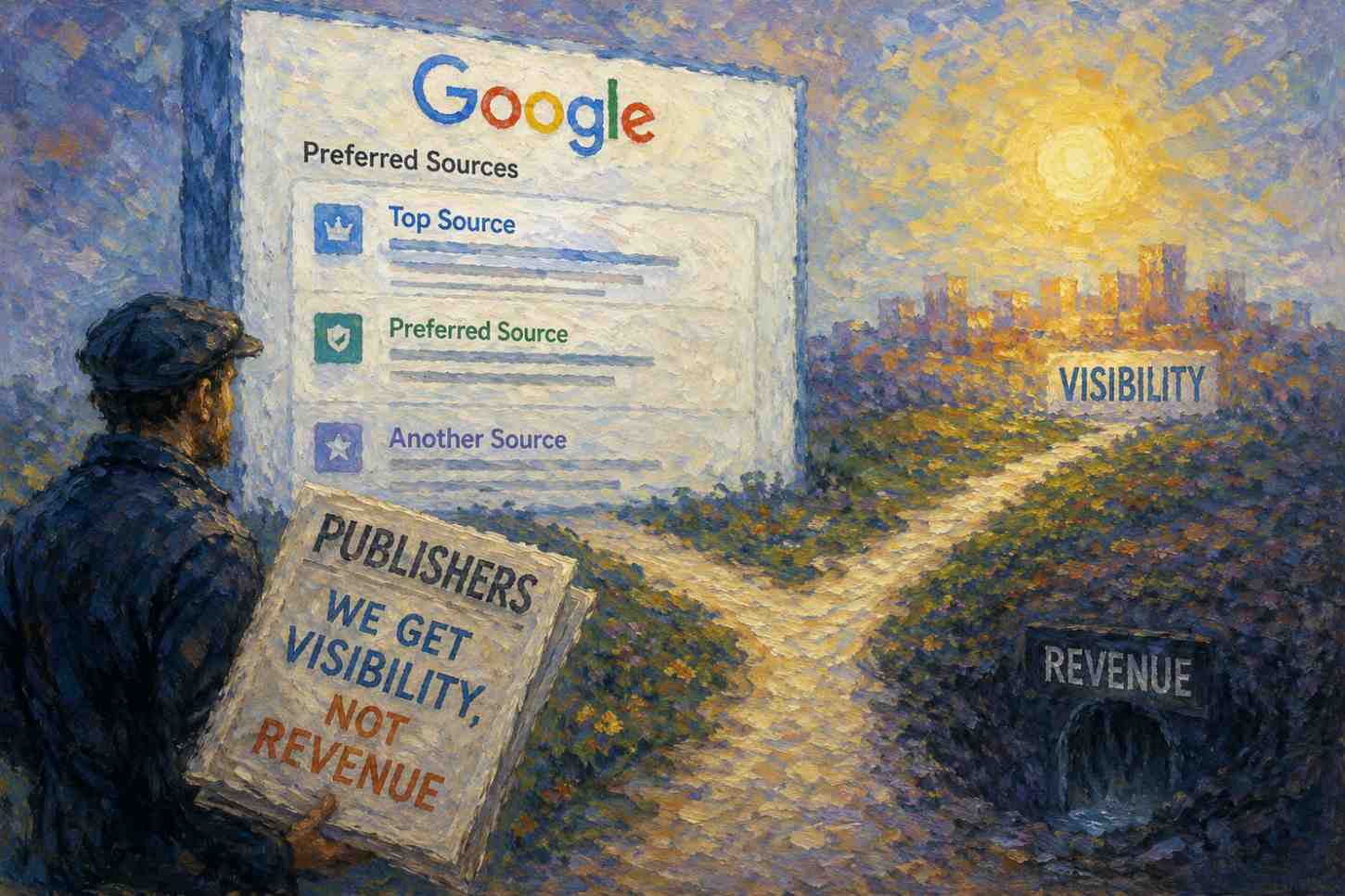
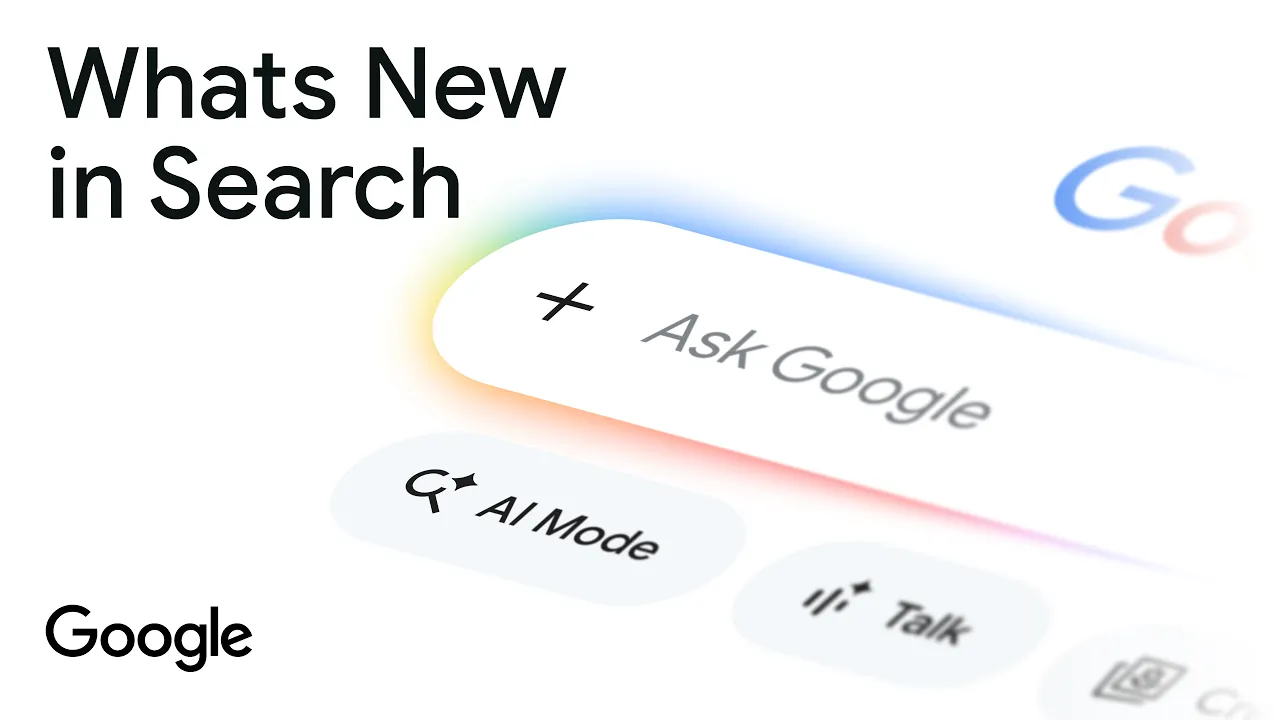
Google brought Preferred Sources into AI Overviews and AI Mode. It's a visibility upgrade for incumbent brands — not the payment rail the citation economy actually needs.

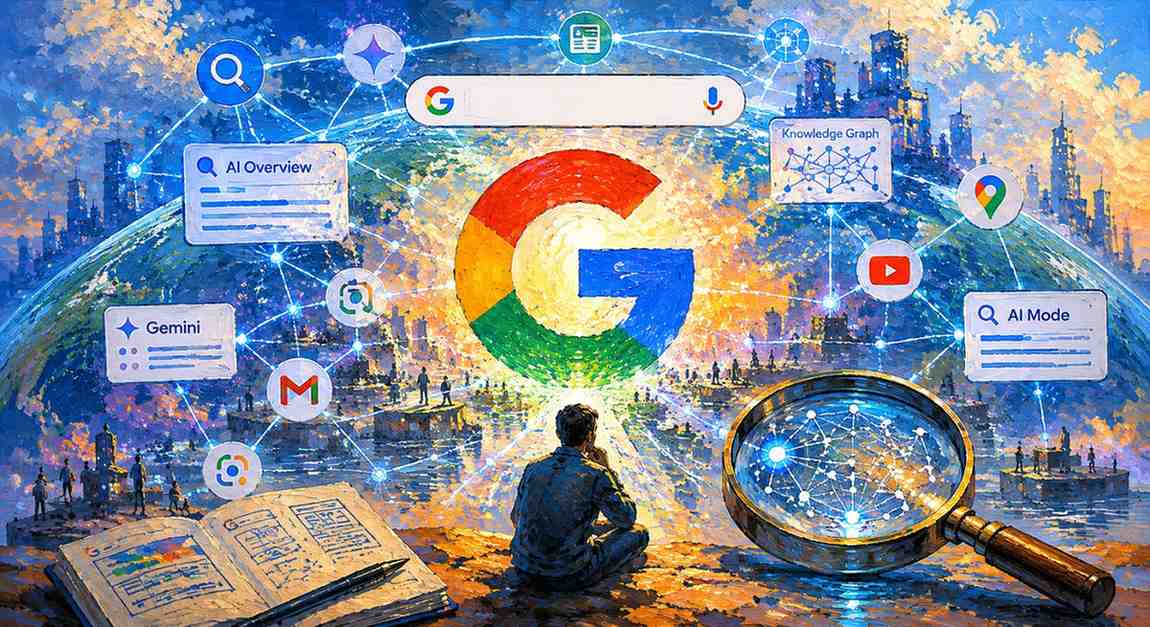
Preferred Sources, carousels, and Highly Cited badges aren't features. They're Google assembling an owned-and-operated AI Search network — controlling discovery and monetization while publishers supply the content.

AI chatbots aren't just draining publisher traffic — they're quietly eroding the open internet's ad inventory. Media buyers who haven't repriced this shift yet are running out of time.

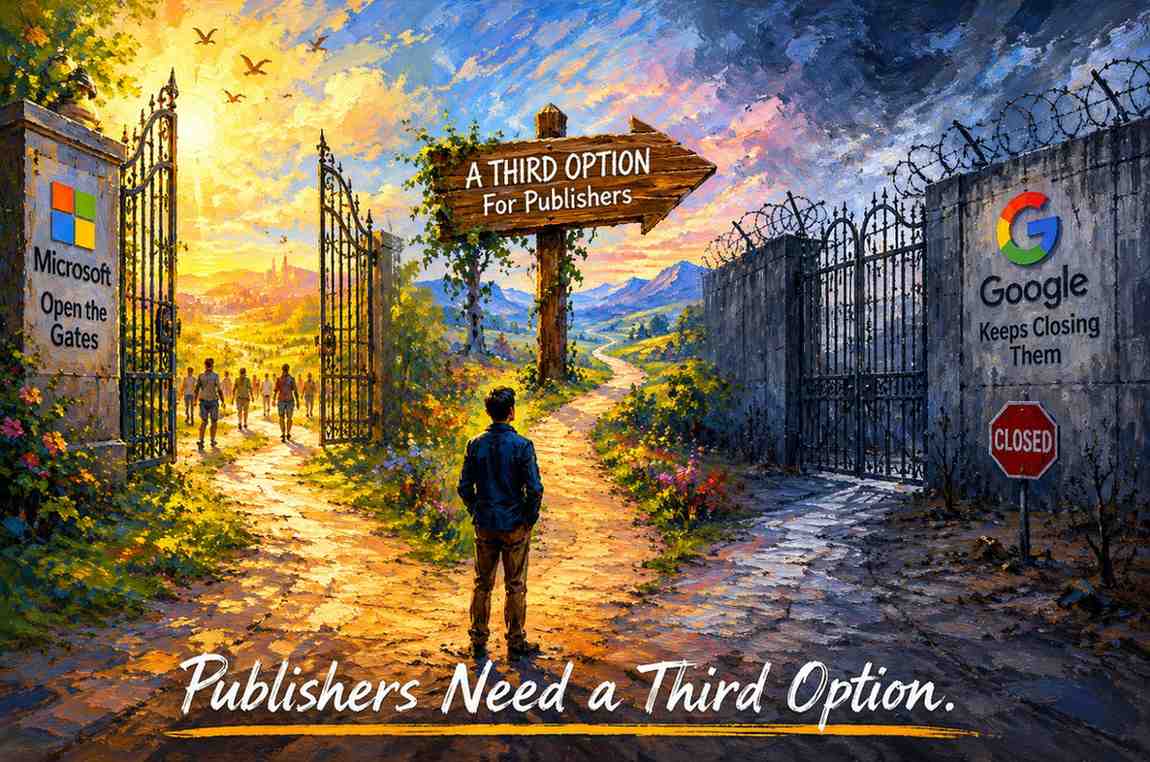
Microsoft is begging publishers to let AI crawlers in. Google's AI Mode keeps eating the clicks that funded them. The link economy is collapsing into a citation economy with no payment rail. That's the missing layer.

For 20 years the contract was simple: create content, attract audience, monetize. The audience is now agentic — and pay-per-crawl is not the ad model the open web needs.

DNVB conquered Shopify. Social-first media conquered the feed. After Google I/O 2026, AI-first media — built to be ingested and cited by LLMs — is the next native-distribution category.

Publishers are not panicking about Google's AI Search overhaul. They are resigning. That is the tell. Here is the parallel economy taking its place.

Google I/O 2026's Gemini Spark searches the web for you overnight. When the clicker is a machine, the ad economy built on the human click has no billing event.